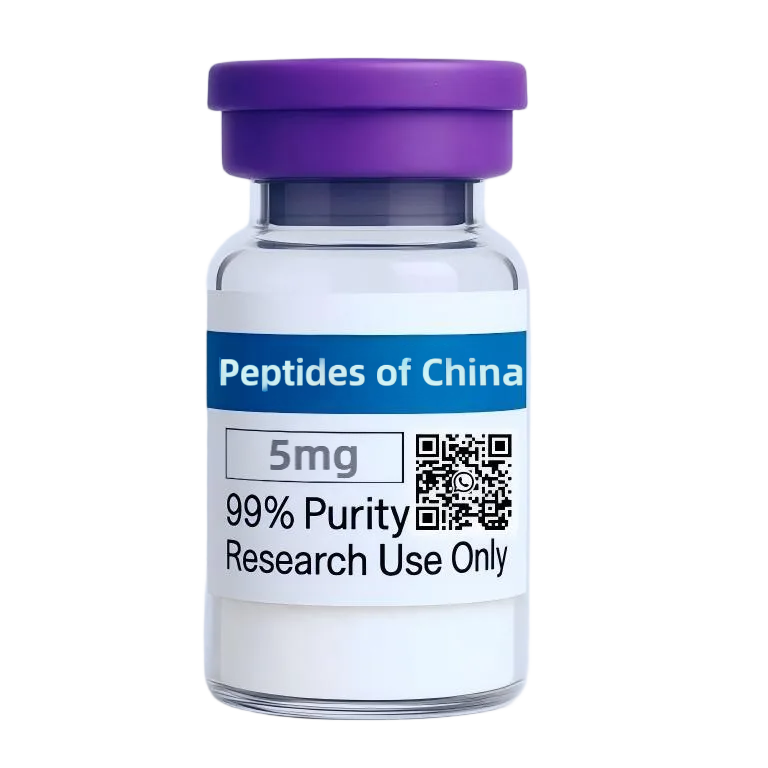
NAD+ (Nicotinamide Adenine Dinucleotide) for research. 500mg & 1000mg available. Sourced from verified Chinese manufacturer, purity tested per batch.
NAD+ is a research compound available through our china peptide catalog as a finished, lyophilized vial from an established Chinese manufacturer. It belongs to the Pyridine nucleotide coenzyme
Research Areas
Cellular energetics, sirtuin biology, DNA repair (PARP), aging models, mitochondrial function, inflammation
Available Variants
| Name | Strength | Pack Size | Purity | Availability |
|---|---|---|---|---|
| NAD+ | 100 mg | 10 vials | — | In Stock |
| NAD+ | 500 mg | 10 vials | — | In Stock |
| NAD+ | 500 mg | 10 vials | ≥98% | In Stock |
| NAD+ | 1000 mg | 10 vials | ≥98% | In Stock |
| NAD+ | 1000 mg | 10 vials | — | In Stock |
Specification Highlights
Research Areas
Sirtuin Activation and Longevity Research Sirtuins (SIRT1-7) are NAD⁺-dependent deacylases that regulate gene expression, mitochondrial biogenesis, and metabolic adaptation. Research has extensively examined the relationship between NAD⁺ availability and sirtuin activity in aging rodent models — with particular interest in SIRT1 (nuclear metabolic regulation), SIRT3 (mitochondrial protein deacetylation), and SIRT6 (DNA repair and telomere maintenance). NAD⁺ supplementation studies have used these sirtuin endpoints as functional readouts of NAD⁺ restoration. DNA Repair and PARP Research Poly(ADP-ribose) polymerases (PARPs), particularly PARP1, consume large quantities of NAD⁺ at sites of DNA strand breaks. This enzymatic competition for NAD⁺ between PARPs and sirtuins is a key mechanistic focus in aging research — with the hypothesis that chronic low-level DNA damage in aging tissue leads to PARP overactivation, NAD⁺ depletion, and downstream sirtuin insufficiency. NAD⁺ is used in in vitro PARP assays and as a substrate for studying PARP kinetics. Mitochondrial Function Studies NAD⁺ is an essential electron acceptor in the mitochondrial electron transport chain. Research has examined how intracellular NAD⁺/NADH ratio affects complex I activity, mitochondrial membrane potential, and ATP production efficiency in aged versus young cell models. Supplementation studies have explored whether NAD⁺ restoration shifts the redox balance and improves mitochondrial respiratory capacity in models of metabolic and age-related dysfunction. ## Sourcing NAD+ From China
NAD+ is available through our platform as a china peptide sourced directly from an established Chinese manufacturer. Three points define how we handle it:
- Factory-direct, not trader-sourced. We confirm availability and specification with the manufacturer before the order is confirmed. There is no intermediary resale of unknown-origin vials in this catalog.
- Specification before shipment. The purity and concentration specification shown on this page is the manufacturer’s batch specification. Product-specific quality-control information travels with the order.
- Research-use discipline. Like every listing in our catalog, NAD+ is supplied for laboratory research use only, under strict research-use terms.
For buyers comparing chinese peptides suppliers, the practical test is whether the seller can name the manufacturer and show the batch documentation. We work the other way around: the manufacturer and the documentation are the offer. Browse the full catalog or see how sourcing works.
Available Variants
| Name | Strength | Pack Size | Purity | Availability |
|---|---|---|---|---|
| NAD+ | 100 mg | 10 vials | — | In Stock |
| NAD+ | 500 mg | 10 vials | — | In Stock |
| NAD+ | 500 mg | 10 vials | ≥98% | In Stock |
| NAD+ | 1000 mg | 10 vials | ≥98% | In Stock |
| NAD+ | 1000 mg | 10 vials | — | In Stock |
Specification Highlights
Research Areas
Sirtuin Activation and Longevity Research Sirtuins (SIRT1-7) are NAD⁺-dependent deacylases that regulate gene expression, mitochondrial biogenesis, and metabolic adaptation. Research has extensively examined the relationship between NAD⁺ availability and sirtuin activity in aging rodent models — with particular interest in SIRT1 (nuclear metabolic regulation), SIRT3 (mitochondrial protein deacetylation), and SIRT6 (DNA repair and telomere maintenance). NAD⁺ supplementation studies have used these sirtuin endpoints as functional readouts of NAD⁺ restoration. DNA Repair and PARP Research Poly(ADP-ribose) polymerases (PARPs), particularly PARP1, consume large quantities of NAD⁺ at sites of DNA strand breaks. This enzymatic competition for NAD⁺ between PARPs and sirtuins is a key mechanistic focus in aging research — with the hypothesis that chronic low-level DNA damage in aging tissue leads to PARP overactivation, NAD⁺ depletion, and downstream sirtuin insufficiency. NAD⁺ is used in in vitro PARP assays and as a substrate for studying PARP kinetics. Mitochondrial Function Studies NAD⁺ is an essential electron acceptor in the mitochondrial electron transport chain. Research has examined how intracellular NAD⁺/NADH ratio affects complex I activity, mitochondrial membrane potential, and ATP production efficiency in aged versus young cell models. Supplementation studies have explored whether NAD⁺ restoration shifts the redox balance and improves mitochondrial respiratory capacity in models of metabolic and age-related dysfunction.
Compound Profile
NAD⁺ (Nicotinamide Adenine Dinucleotide) is a fundamental coenzyme present in all living cells, functioning as an electron carrier in cellular respiration and as a substrate for a family of enzymes — including sirtuins (SIRTs), poly(ADP-ribose) polymerases (PARPs), and CD38 — that regulate DNA repair, gene expression, and metabolic adaptation. Research interest in NAD⁺ has intensified substantially over the past decade, driven by observations that NAD⁺ tissue levels decline with age and metabolic stress in mammalian models, and that restoring these levels produces measurable biological changes in preclinical studies. Preclinical research using NAD⁺ and its precursors (NMN, NR) in rodent aging and metabolic disease models has examined a broad range of endpoints: mitochondrial function, sirtuin activation (particularly SIRT1 and SIRT3), DNA damage repair capacity via PARP pathway, and inflammatory signaling modulation via CD38 NADase activity. The biological mechanisms are tightly interconnected — sirtuins require NAD⁺ as a co-substrate to deacylate histones and transcription factors, PARP1 consumes NAD⁺ at sites of DNA strand breaks, and CD38 is the primary NAD⁺-consuming enzyme in aging tissue. Understanding how NAD⁺ availability affects these competing consumers is a major research question. Peptides of China supplies NAD⁺ (oxidized form) as a lyophilized powder at 99%+ purity, verified by HPLC. Every batch is tested by the manufacturer for purity and concentration as part of routine quality control. All products are for laboratory research use only and are not for human consumption.
Profile
Research Areas
Cellular energetics, sirtuin biology, DNA repair (PARP), aging models, mitochondrial function, inflammation
Available Variants
| Name | Strength | Pack Size | Purity | Availability |
|---|---|---|---|---|
| NAD+ | 100 mg | 10 vials | — | In Stock |
| NAD+ | 500 mg | 10 vials | — | In Stock |
| NAD+ | 500 mg | 10 vials | ≥98% | In Stock |
| NAD+ | 1000 mg | 10 vials | ≥98% | In Stock |
| NAD+ | 1000 mg | 10 vials | — | In Stock |
Specification Highlights
Research Areas
Sirtuin Activation and Longevity Research Sirtuins (SIRT1-7) are NAD⁺-dependent deacylases that regulate gene expression, mitochondrial biogenesis, and metabolic adaptation. Research has extensively examined the relationship between NAD⁺ availability and sirtuin activity in aging rodent models — with particular interest in SIRT1 (nuclear metabolic regulation), SIRT3 (mitochondrial protein deacetylation), and SIRT6 (DNA repair and telomere maintenance). NAD⁺ supplementation studies have used these sirtuin endpoints as functional readouts of NAD⁺ restoration. DNA Repair and PARP Research Poly(ADP-ribose) polymerases (PARPs), particularly PARP1, consume large quantities of NAD⁺ at sites of DNA strand breaks. This enzymatic competition for NAD⁺ between PARPs and sirtuins is a key mechanistic focus in aging research — with the hypothesis that chronic low-level DNA damage in aging tissue leads to PARP overactivation, NAD⁺ depletion, and downstream sirtuin insufficiency. NAD⁺ is used in in vitro PARP assays and as a substrate for studying PARP kinetics. Mitochondrial Function Studies NAD⁺ is an essential electron acceptor in the mitochondrial electron transport chain. Research has examined how intracellular NAD⁺/NADH ratio affects complex I activity, mitochondrial membrane potential, and ATP production efficiency in aged versus young cell models. Supplementation studies have explored whether NAD⁺ restoration shifts the redox balance and improves mitochondrial respiratory capacity in models of metabolic and age-related dysfunction.